Introduction
Many people who like to take risks want to climb Mount Kilimanjaro, which is Africa's tallest mountain at 19,341 feet (5,895 meters). Kilimanjaro is known for its beautiful scenery and different ecosystems. It is a difficult mountain to climb, but most people can do it. Whether you've been climbing mountains before or this is your first time, you can reach the top of Kilimanjaro if you prepare properly. This guide will help you get ready for your trip by giving you important information on routes, gear, and what to expect.
1. Overview of Mount Kilimanjaro
Kilimanjaro is a volcano in Tanzania that stands alone. Mawenzi and Shira are the three cones that make up this structure. Uhuru Peak, located atop Kibo, is the highest point. From lush jungles at the base to ice at the top, Kilimanjaro is known for its unique scenery. It's not like many mountains, and you don't need to know how to climb them technically. It means that people with good health can go there.
2. Best Time to Climb Mount Kilimanjaro
The best times to climb are from June to October and from December to February when it is dry. With stable temperatures and less rain, these months have the best weather. If it rains a lot, like from March to May or November, stay away from the paths. They can become muddy and dangerous. Even though it's best to visit during the dry season, be ready for cold weather because temperatures can drop to freezing at higher elevations.
3. Routes to the Summit
There are several paths to the top of Kilimanjaro, each with a different level of effort and view.
The Machame Road
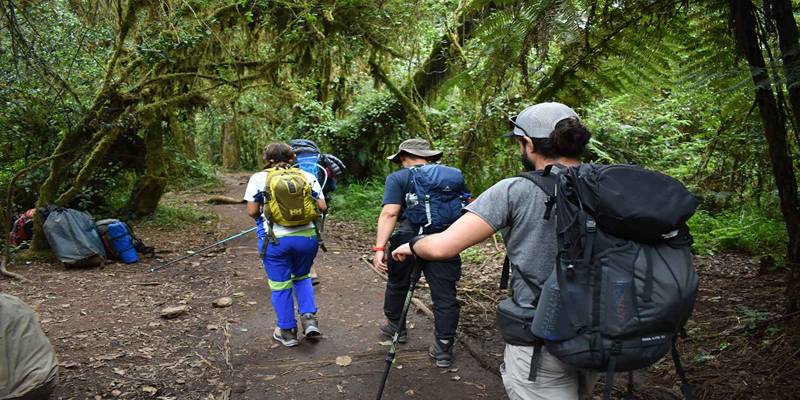
The most well-known is the "Whiskey Route," also known as the Machame Route. It is a strenuous walk with breathtaking vistas that take 6-7 days to complete. For those looking for a rewarding and picturesque climb, the route is highly recommended.
The Marangu Road
The "Coca-Cola Route," also called the Marangu Route, is said to be simpler and provides lodging in huts. Although it is shorterfive to six daysthere is less time for acclimation, which raises the possibility of altitude sickness.
Lemosho Route
The Lemosho Routetakes 7-8 days and is known for its quiet paths and breathtaking views. It's a longer, more gradual route, giving you time to acclimatize.
Rongai Route
The Rongai Route is the least trafficked, making it ideal for a quieter experience. It's also considered easier and offers a different perspective of the mountain.
4. Acclimatization and Dealing with Altitude
Altitude sickness occurs when you ascend too quickly, and the air becomes thinner. To reduce the risk, it's essential to ascend slowly and allow your body to adjust to the higher altitudes. Most Kilimanjaro routes are designed to give you ample time for acclimatization, but it's still crucial to stay hydrated, eat well, and rest when necessary. If you experience severe altitude sickness symptoms like nausea, headaches, or dizziness, it's essential to descend immediately. Most guides are trained to spot symptoms and can help you if needed.
5. Physical Preparation for the Climb
Kilimanjaro is a physically demanding climb, but it's not necessary to be an expert mountaineer. Preparing yourself physically will increase your chances of success.
Cardio Training
Building your cardiovascular endurance is key. Begin by walking or hiking on flat terrain, and gradually increase the difficulty by hiking uphill or on uneven surfaces. Aim for 3-4 hikes per week to build stamina.
Strength Training
Strengthening your legs, core, and upper body is also important. Exercises like lunges, squats, and planks will help prepare you for the strain of carrying a backpack and navigating rough trails.
Hiking with a Backpack
Practice hiking with a backpack to get used to the added weight. It will help ensure you're comfortable and prepared for the actual climb.
6. What to Pack for the Climb
Having the appropriate equipment with you is essential for a successful Kilimanjaro climb. Here's what you'll need:
Clothing
- Base layers (moisture-wicking)
- Insulating layers (fleece or down)
- Waterproof jacket and pants
- Warm gloves, hat, and scarf
- Comfortable hiking boots
Gear
- Sleeping bag (appropriate for cold temperatures)
- Headlamp with extra batteries
- Trekking poles
- Sunglasses and sunscreen
Miscellaneous
- First aid kit
- Water bottles or hydration system
- Snacks for energy
- Camera for photos
7. Hiring a Guide and Porter
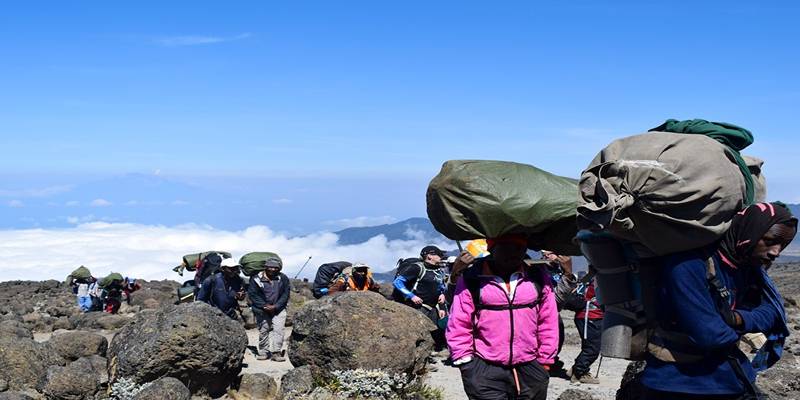
Tanzania requires all Kilimanjaro climbers to have a licensed guide and porter. Guides help with navigation and ensure safety, while porters carry your gear and set up camps. Hiring local, experienced guides and porters will enhance your experience and support the local economy. While the costs of guides and porters are part of the climbing package, it's important to choose a reputable tour operator that adheres to fair labor practices and safety standards.
8. What to Expect During the Climb
Although difficult, the ascent to the peak is very satisfying. Each day presents new challenges, with varying terrain and ever-changing weather. Here's what you can expect:
- Long hiking days: Expect to hike for 6-8 hours each day with breaks for meals and rest.
- Changing climates: The weather will vary from warm and humid at the base to freezing at the summit.
- Cold nights: Especially near the summit, be prepared for freezing temperatures.
- Breathtaking views: The landscapes are stunning, with glaciers, forests, and alpine meadows.
The final stretch to the summit, known as summit night, involves hiking through the night to reach the top at sunrise. It can be the most challenging part of the journey, but it's also the most rewarding.
Conclusion
Successfully climbing Mount Kilimanjaro needs planning, fitness, and mental grit. Most people can conquer the mountain and stand atop Africa with the appropriate mentality and preparation. Choose the best route for your experience, carry the correct gear, and leave time for acclimatization. Most importantly, enjoy the drive and stunning scenery. Reaching the pinnacle is unforgettable.